
Share this product :
Isopropyl Alcohol (IPA) (99.7%) - China
- Origin
- : China
- CAS Number
- : 67-63-0
- HS Code
- : 29051220
Basic Info
- IUPAC Name
- : propan-2-ol
- Molecular Formula
- : C3H8O
- Molecular Weight (g/mol)
- : 60.1000
- Synonyms & Trade Names
- : IPA; Isopropanol; Isopropyl alcohol; 2-Propanol
- Purity / Assay (%)
- : 99.7% min
- Grade / Quality Level
- : Industrial Grade
- Physical Form
- : Liquid
- Concentration
- : Pure substance
- Appearance / Color
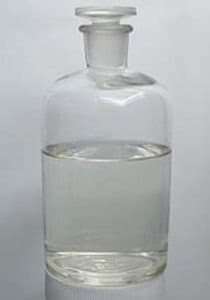
- : Clear to slightly colored liquid
- Odor
- : Alcohol-like
- Melting Point (°C)
- : -89.0000
- Boiling Point (°C)
- : 83
- Density (g/cm³)
- : 0.7860
- Solubility in Water
- : Miscible
- Signal Word
- : Warning
- UN Number
- : 1219
- GHS Hazard Class
- : Flammable; Eye irritant; CNS effects
- H-Statements
- : H225|H319|H336
- P-Statements
- : P210|P233|P240|P264|P271|P280|P303+P361+P353
- REACH Status
- : Registered
- Drug Precursor Status
- : Non-precursor
- Storage Class (GHS)
- : 3
- Storage Conditions
- : Cool, ventilated; away from ignition and oxidizers
Categories
Share this product :
Brief Overview
Isopropyl Alcohol (IPA), also known as dimethylcarbinol and 2-propanol, is a clear, colorless liquid with a rubbing alcohol odor. It is an organic compound with the molecular formula (CH3)2CH(OH) and is one of the isomers of n-propanol. It is soluble in water, alcohol, ether, benzene, chloroform, and most organic solvents. The vapor of IPA can form an explosive mixture with air. The toxicity of its vapors is twice as high as ethanol.
Manufacturing Process
Isopropyl alcohol can be manufactured by two processes:
• Indirect Hydration Reaction: Propylene is first reacted with sulfuric acid to obtain isopropyl hydrogen sulfate, which produces isopropanol after hydrolysis.
CH3CH=CH2 + H2SO4 → (CH3)2CHOSO3H (CH3)2CHOSO3H + H2O → (CH3)2CHOH + H2SO4
• Direct Hydration: Propylene is directly hydrated in the presence of a catalyst, heat, and high pressure to form isopropanol with a selectivity of 96%.
CH3CH=CH2 + H2O → (CH3)2CHOH
Compared with the indirect method, the direct hydration method avoids the issue of sulfuric acid corrosion and dilute acid concentration. Therefore, this method is dominant in industrial production.