
Share this product :
Lecithin
- Origin
- : China
- CAS Number
- : 8002-43-5
- HS Code
- : 2923.20.10
Basic Info
- Concentration
- : Pure substance
- Appearance / Color
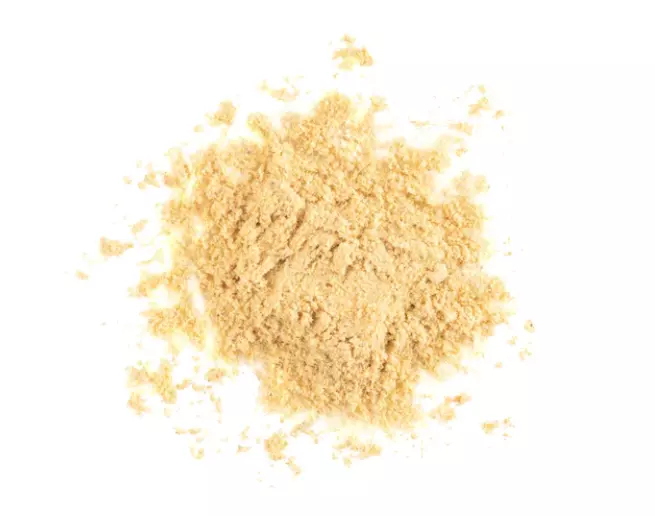
- : White to off-white solid
- Drug Precursor Status
- : Non-precursor
Categories
Share this product :
Brief Overview
Lecithin is a generic term to designate any group of yellow-brownish fatty substances occurring in animal and plant tissues composed of phosphoric acid, choline, fatty acids, glycerol, glycolipids, triglycerides, and phospholipids. Lecithin can easily be extracted chemically or mechanically. Lecithin is usually available from soybeans, eggs, milk, marine sources, rapeseed, cottonseed, and sunflower. Lecithin has low solubility in water but is an excellent emulsifier. Aqueous solutions' phospholipids can form liposomes, bilayer sheets, micelles, or lamellar structures, depending on hydration and temperature. This results in a type of surfactant that is usually classified as amphipathic. Lecithin is sold as a food supplement and for medical purposes.
Manufacturing Process
As food manufacturers use, commercial lecithin is a mixture of oil phospholipids. The lecithin can be obtained by water degumming the extracted oil of seeds. It is a mixture of various phospholipids, and the composition depends on the origin of the lecithin. A major source of lecithin is soybean oil. The main phospholipids in lecithin from soya and sunflower are phosphatidyl choline, phosphatidyl inositol, phosphatidyl ethanolamine, and phosphatidic acid.